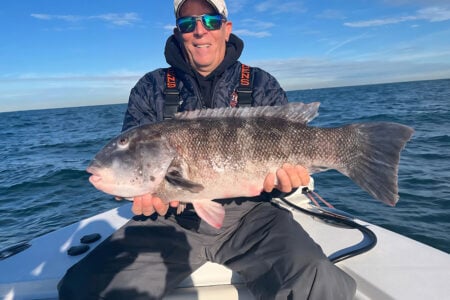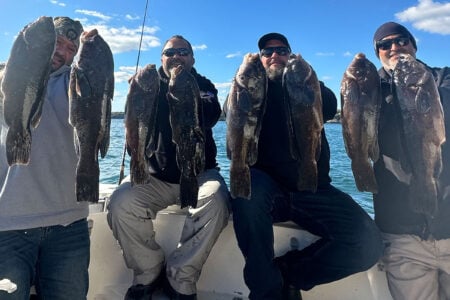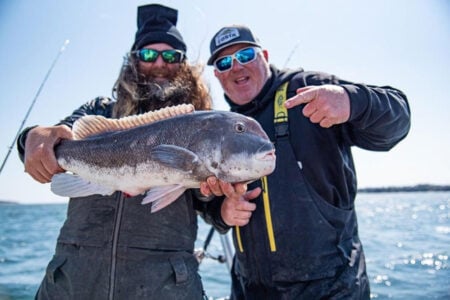
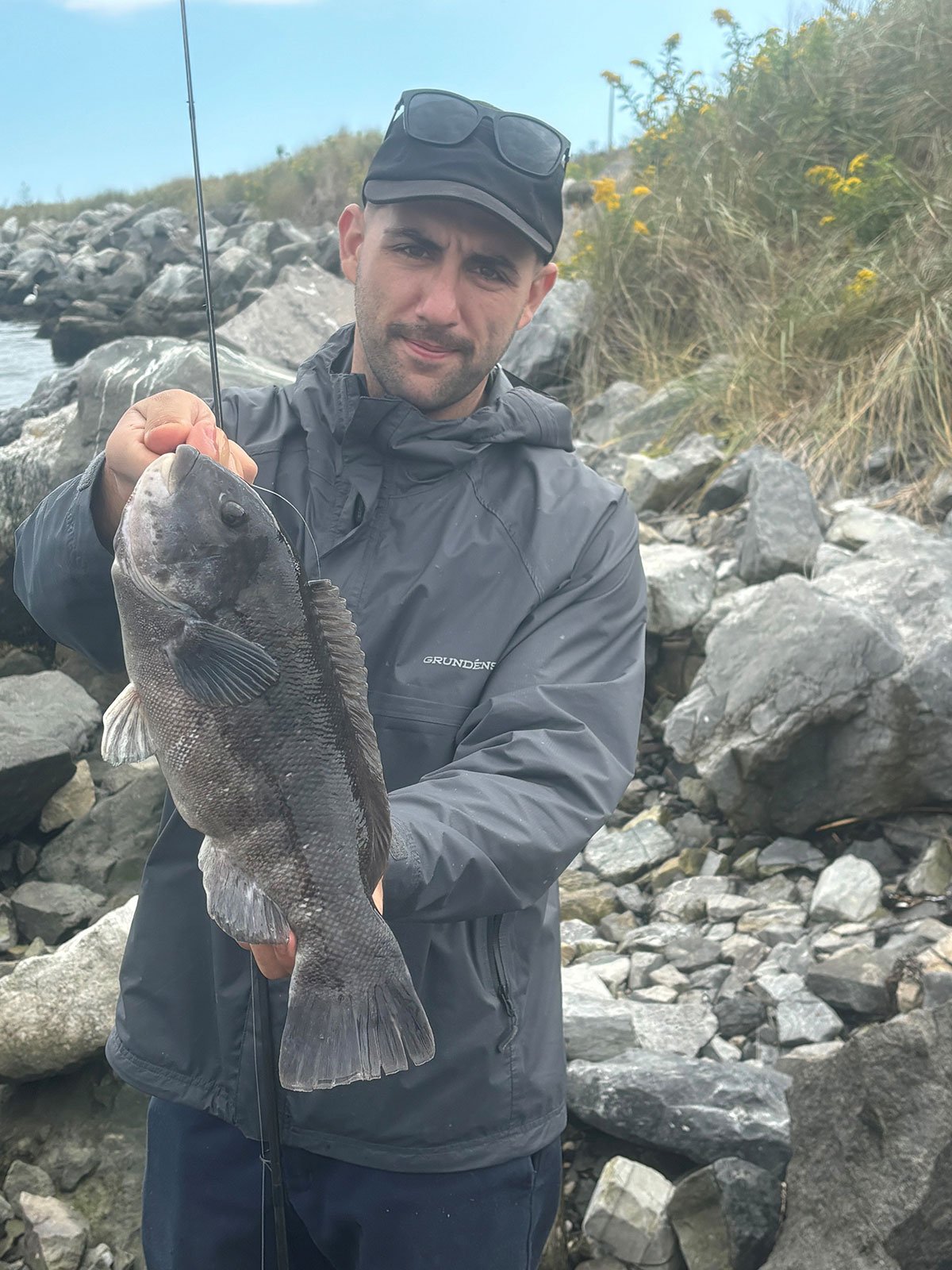
Shorebound strategies for South Shore tautog this October and beyond.
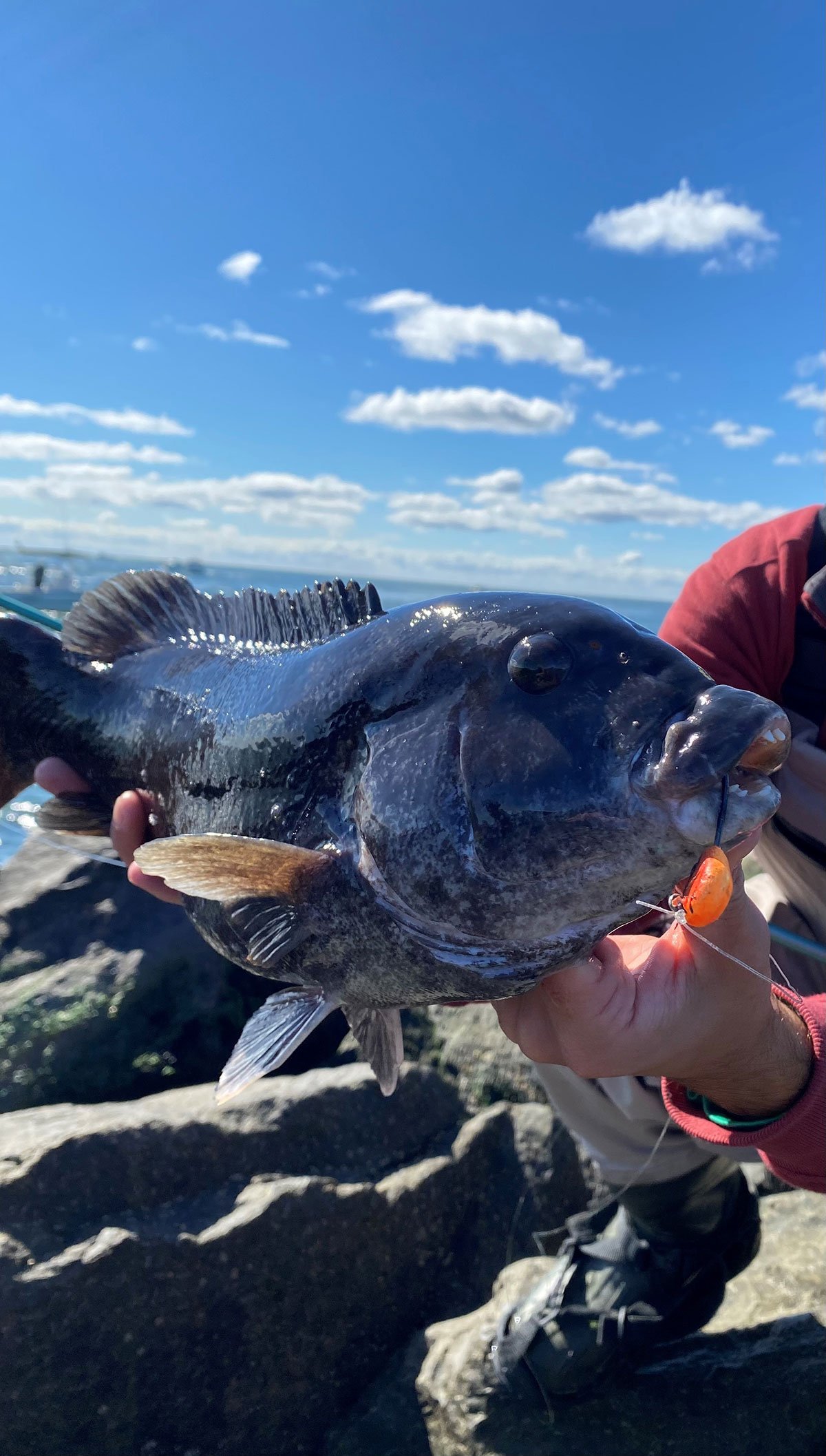
For many Long Island anglers, the arrival of October signals one thing above all else—blackfish season. Known locally as tog, these tough, crab-crunching bottom dwellers hold a special place in the hearts of fishermen who crave a challenge and a delicious reward at the end of the line. While much of the focus often lands on the boat fleet working offshore wrecks and reefs, the South Shore jetties offer one of the most accessible and exciting opportunities to tangle with blackfish. With the right blend of patience, preparation, and persistence, surfcasters who climb onto the rocks in the fall can experience some of the most electrifying action the shoreline has to offer.
Why The Jetties Shine
Tautog are structure-oriented fish. Unlike stripers or blues that roam wide stretches of water in search of bait, blackfish hug the rocks, jetty tips, pilings, and mussel beds, rarely straying far from cover. Their entire life cycle revolves around hard bottom, and their diet—built on crabs, mussels, and barnacles—thrives in precisely the environments that Long Island’s manmade jetties provide. When the temperatures are still right in October, these structures become magnets, drawing tog tight to the rocks where they feed aggressively. For anglers confined to land, this presents a golden window of opportunity.
Timing The Fall Bite
The timing of the bite is critical. New York’s blackfish season opens in early October, and those first few weeks are among the best for jetty anglers. The fish are close, plentiful, and eager, with keeper-size tog often mixed right in among the shorts. As the month progresses into late October and November, the larger “whitechin” blackfish begin sliding into range. These brutes, fish that regularly top 6 or 7 pounds from shore, can turn an ordinary jetty trip into a memory for the ages. They also demand a higher level of finesse and control, since once hooked they use every ounce of muscle to dive back into the rocks.
Tides play an enormous role in blackfishing success. Like most bottom feeders, tog become more active when water is moving. A steady flood or ebb provides current that sweeps crabs and mussels off the rocks, creating a feeding opportunity that blackfish rarely pass up. A slack tide, by contrast, often slows the bite, as crabs hunker down and tog become less aggressive. But those who are looking for the biggest fish should remember that larger tog will come out during slack periods of tide to pick off easy meals and not expend a lot of energy in doing so. On days when an east or south wind pushes surf directly against the jetty, the white water that forms can actually spark the bite. The crashing waves dislodge crabs and mussels, effectively ringing the dinner bell. Smart anglers learn to embrace those rougher conditions, as long as they can do so safely, because the fishing is often better when the seas are messy.
Choosing The Right Gear
When it comes to gear, jetty blackfishing demands tackle that balances sensitivity with sheer pulling power. Many anglers lean toward spinning outfits for the convenience of casting in tight quarters, while others prefer conventional gear for its cranking strength. A 7-1/2 to 9-foot medium-heavy rod offers the perfect blend of backbone and tip sensitivity, allowing you to detect the lightest of tog taps while still steering a hooked fish away from the rocks. A sturdy reel with a smooth drag is essential, spooled with 30 to 40-pound braid to maximize feel. Adding a 5- to 8-foot leader of 50-pound fluorocarbon or mono protects against abrasion from the jagged jetty rocks and mussel beds. Don’t worry about long casts either with this long leader—most of the tog caught will be within 20 feet of the rocks you’re standing on.
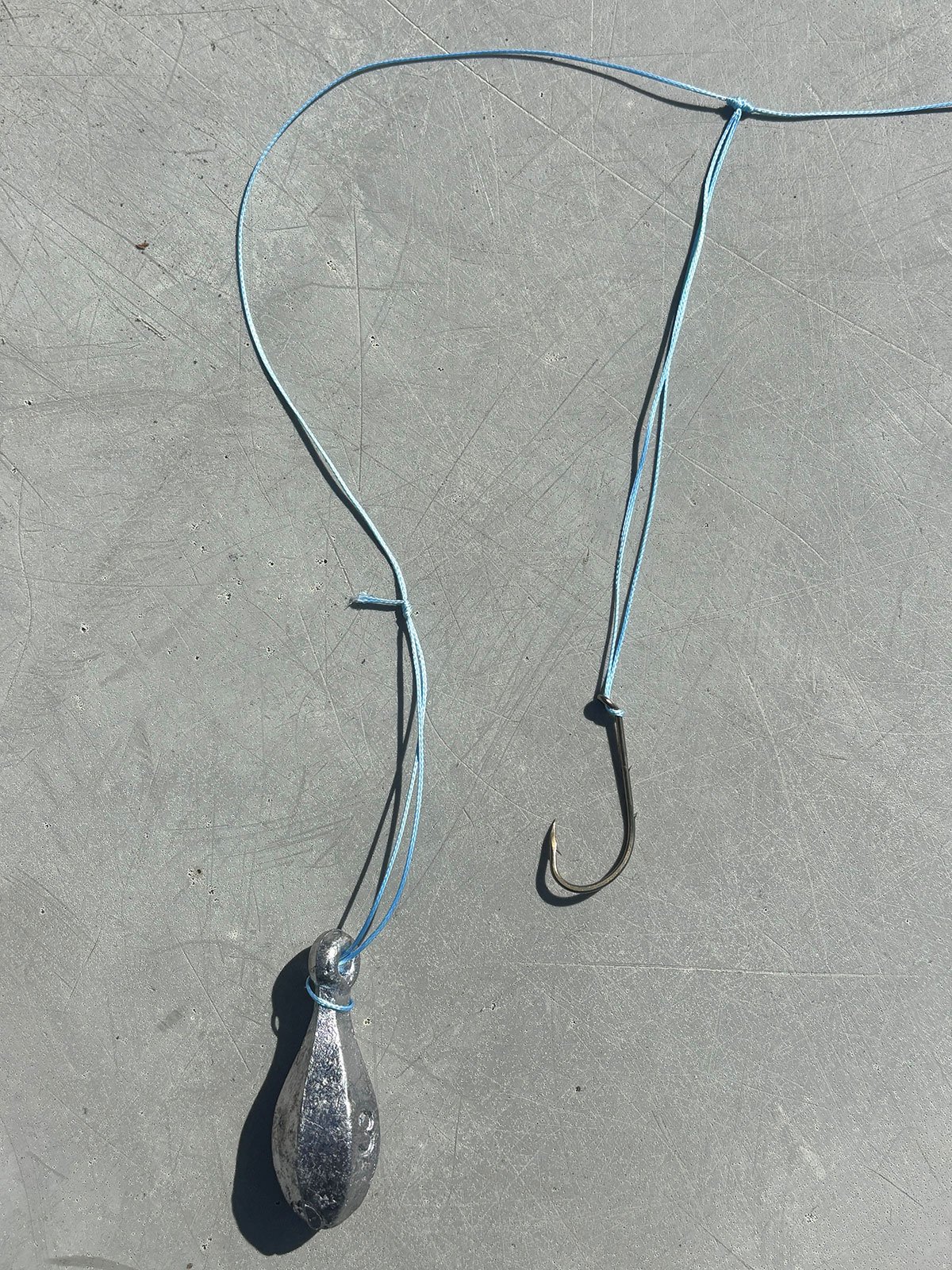
Simple rigs work best. Many shorebound toggers rely on a basic single-hook rig: a 3/0 or 4/0 octopus hook connected to a short dropper with a bank sinker tied below. Blackfish bites are lightning fast, so simplicity helps minimize missed opportunities. In recent years, tog jigs have become popular, particularly in calmer water or along the edges of the rocks. A 1 to 2-ounce jig tipped with a crab not only presents naturally but also allows for a more direct connection between angler and fish. Scale down your tackle slightly when fishing jigs. I happen to employ the jig method closer to slack tides to prevent snags.
The Importance Of Bait
There’s no debating the best bait for tog—crabs are king. Green crabs are the standard choice and are readily available at most South Shore tackle shops throughout the fall. Cutting them into halves or quarters depending on size keeps your offerings manageable, and cracking the shell slightly releases scent that draws fish. Hermit crabs and white leggers are harder to come by but are especially effective later in the season when larger, more experienced blackfish become finicky.
No matter the bait, bring plenty. Blackfish are notorious bait thieves, able to strip a crab clean from your hook in seconds. A dozen crabs can vanish quickly when the bite is on, and nothing ends a jetty trip faster than running out of bait while fish are feeding at your feet.
Strategy On The Rocks
Fishing a South Shore jetty for tog is part skill and part strategy. Positioning is key. While many anglers head straight for the tip, the sides of the jetty often produce just as well, if not better, especially where current sweeps past the rocks. Tog tuck themselves into crevices and ambush crabs washed along the structure, so don’t overlook the pockets along the jetty face.
Presentation should be tight to the rocks. Lower your rig or jig slowly, keeping tension on the line so you can feel every tap. If you’re not occasionally hanging up on the structure, you’re probably not close enough to where the fish live. Patience is crucial here. Blackfish are notorious nibblers. They’ll often “tap-tap” at your bait before deciding to inhale it. The instinct is to swing hard at the first sign of life, but experienced toggers know to wait for steady pressure before driving the hook home with authority.
Once hooked, the real battle begins. Blackfish dive instantly for the nearest rock, and unless you turn them fast, they’ll bury you in the structure. Set the hook with a sharp upward snap, then lean hard and angle the fish away from cover. Many fights are won or lost in those first five seconds. Setting your drag tighten than normal will give you increased odds during the initial runs, which is usually where the biggest ones are always lost. A long-handled net is invaluable when landing fish from slippery jetty rocks.
Jetty Hot Spots
East Rockaway Inlet (Debs/Jones Beach): The jetties at Atlantic Beach and East Rockaway are lined with rock, mussels, and barnacles that attract tog as soon as water temps cool. The east jetty near Atlantic Beach is especially productive on the last of the ebb. Fish tight to the rocks with green crabs—short casts are key here.
Jones Inlet: The west jetty at Point Lookout is a classic blackfish spot, especially in October when the first wave of fish push in. The inside edges often produce just as well as the tip. Work the pockets along the rocks with crabs on light tog jigs when current is manageable.
Fire Island Inlet: This system is massive, and both the east and west jetties can hold tog. The west jetty near Robert Moses is popular and accessible, with fish holding along the mid-jetty rocks. On the east side, Ocean Parkway access gives anglers shots at tog along the boulder field. Slack water is tough here—time your trips for the middle of the tide when current is moving steadily.
Moriches Inlet: The east jetty at Cupsogue and the west jetty at Smith Point both produce tog. The tips are dangerous in heavy surf, but the inside edges closer to the beach often give up quality keepers. Moriches can be shallow compared to other inlets, so lighter sinkers or jigs are effective.
Shinnecock Inlet: One of the most consistent tog inlets on the South Shore. Both jetties are long and rocky, but the east jetty near Shinnecock East County Park is a favorite. Fall tog stack up along the inside boulders, and crabs fished on half-ounce to ounce-and-a-half jigs excel when seas are calm enough to work them. On rough days, stick with heavier rigs to hold bottom in the sweep.
Montauk (outer South Fork): While technically beyond the traditional South Shore inlets, Montauk’s jetties and rocky shoreline are legendary tog haunts in fall. Casters score from the rocks near the lighthouse and at the harbor entrance. These rocks are prime territory for jig fishermen using green crabs. Big whitechins often show here by November.
Seasoned Jetty Rewards
The rewards of jetty togging are many. There’s the thrill of the bite, the satisfaction of fooling one of the toughest bottom fish in our waters, and the fight itself, a dogged, head-shaking brawl that tests your tackle and resolve. Then there’s the reward at the table. Blackfish fillets are firm, white, and sweet, ranking among the best eating fish in the Northeast. For many anglers, the chance to bring home a fresh dinner after a hard-fought battle on the rocks is what makes October and November so special.
| SAFETY ON THE JETTIES |
| Jetty fishing is rewarding but carries risks. The combination of slippery rocks, crashing waves, and heavy gear can spell trouble if precautions aren’t taken. Always wear Korkers or cleated footwear to maintain traction, and dress in layers topped with a surf top or waterproof jacket to stay dry in spray. Carry only what you need, packed into a shoulder bag or backpack that leaves your hands free to climb. Never fish alone in rough conditions, and always be aware of the tide and swell, which can change rapidly. The blackfish will always be there another day—it’s not worth risking your safety for a bite. |
Togging from the South Shore jetties isn’t easy. It’s a game of stolen baits, lost rigs, and battles lost in the rocks. But it’s also a pursuit defined by its rewards. When you do everything right—choosing the right tide, presenting the perfect bait, waiting out that tap-tap until the rod doubles over—you’ll know exactly why blackfish inspire such devotion among Long Island’s surf and jetty crowd.
The South Shore jetties of Long Island come alive in October with the unmistakable thump of blackfish. For shorebound anglers, these structures provide both opportunity and challenge, a chance to test skills against one of the toughest inshore opponents. Preparation, patience, and persistence are the cornerstones of success. Pack your gear, grab a bucket of crabs, and step carefully onto the rocks. This fall, the tog are waiting.